
CNC machining: The precision art and future engine of modern manufacturing
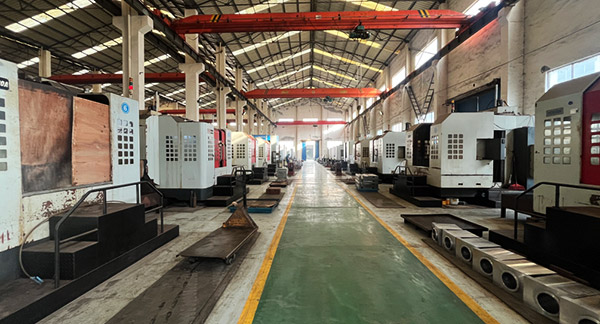
In the dazzling galaxy of manufacturing, CNC machining shines like a dazzling star, illuminating the vast realm from traditional workshops to cutting-edge technology with its precision, efficiency, and innovation. It is not only the embodiment of Computer Numerical Control (CNC) technology, but also the core force driving industrial progress, serving as a magician that transforms design blueprints into real-life parts. CNC machining: Definition and core charm The core of CNC machining lies in the precise command of computer programs. Through pre-written codes, machine tools can automatically perform complex operations such as milling, drilling, and turning, sculpting raw materials such as metal, plastic, or wood into the perfect shape designed. This process combines the art of programming with mechanical precision, akin to a tireless intelligent craftsman working within the precision range of micrometers to ensure that each product meets stringent technical standards. Its charm lies in the liberation of human labor, freeing the manufacturing process from the limitations of traditional manual processing and achieving a dual leap in efficiency and quality. Operational process: From preparation to the birth of a quality product The operation process of CNC machining is a rigorous ritual, where every step is crucial. Firstly, during the startup preparation phase, the machine tool needs to return to the reference zero point, laying the foundation for subsequent operations. Next comes the workpiece clamping, a step that demands extreme cleanliness and stability: the surface must be free of oil stains and iron chips, and clamping tools such as high-speed steel need to be smooth and flat, ensuring that the workpiece remains motionless during machining. Then comes the workpiece touch-off, where the machining zero point is set through a photoelectric or mechanical touch-off head, precisely calibrating the positions of the X, Y, and Z axes to provide an accurate starting point for programming instructions. The programming stage is the soul of CNC. Engineers use CAD software to draw 3D models, convert them into G-code that machines can understand, and control the tool path. Modern CNC programming relies on advanced CAM software, such as UG or PowerMill, to enable visual operations, but the core logic is still based on mathematical and geometric knowledge to ensure tool path optimization, avoid interference, and improve surface quality. During machining execution, the machine automatically runs the program, and the operator needs to monitor the entire process and adjust parameters in a timely manner to cope with material changes or tool wear. Application areas: penetration from daily life to cutting-edge technology The application scenarios of CNC machining are all-encompassing, demonstrating its remarkable adaptability. In the manufacturing industry, it serves as a precise guardian for automotive parts, medical devices, and electronic products, ensuring that each component fits perfectly. The aerospace industry relies on CNC machining for complex curved parts, such as impellers, achieving challenging geometric shapes through five-axis linkage technology to meet performance requirements in extreme environments. Artistic creation also benefits from CNC machining. Designers use CNC engraving to create unique sculptures or decorations, allowing technology and aesthetics to dance together on metal and wood. Furthermore, in mold manufacturing, CNC machining centers serve as "computer gongs," using ghostly intelligence to tackle complex structures that traditional methods cannot handle, pushing the mold industry towards high precision. Advantages and Future: Efficiency, Innovation, and Career Prospects The advantages of CNC machining are significant: precision reaches the micrometer level, efficiency far exceeds that of manual labor, and flexibility allows for rapid design switching, reducing waste. These characteristics make it a key to intelligent manufacturing. With the advancement of Industry 4.0, CNC technology is integrating with the Internet of Things and artificial intelligence, moving towards a more intelligent and automated future. For practitioners, CNC programming and operation present a promising career path. The demand is high and there is a significant talent gap, especially in the field of high-end equipment. Learning CNC requires not only mechanical drawing, CAD modeling, and process knowledge, but also a foundation in mathematics and code comprehension, providing ample room for personal growth. From debugging programs to optimizing machining strategies, every step of innovation brings a sense of accomplishment, such as reducing machining time and improving surface quality, highlighting the value of technological breakthroughs. Conclusion: CNC machining - a symphony of creativity and technology CNC machining transcends the mere tool category, becoming a catalyst for the realization of creativity. It brings the imagination of designers to life on materials and transforms engineers' blueprints into tangible products. In the digital transformation of manufacturing, CNC is not just a technology, but also a culture, bridging the past craftsmanship with the future smart factories. Whether you are a craftsman pursuing precision or an artist exploring innovation, CNC machining ignites the flames of your creativity, leading us towards a new era of manufacturing that is more precise, efficient, and full of infinite possibilities.